MetaMask Chrome Extension® | DeFi Access™
MetaMask Chrome Extension: A Deep Dive Into the Leading Web3 Wallet (1000 Words)
In the evolving landscape of decentralized technologies, the MetaMask Chrome extension has become one of the most recognized and widely used ways to interact with the Web3 ecosystem. Combining user‑friendly design, powerful features, and widespread adoption, MetaMask transformed from a simple browser wallet into an essential bridge between traditional web browsers and decentralized applications (dApps), smart contracts, NFTs, and decentralized finance (DeFi) protocols. This article unpacks what MetaMask is, how the Chrome extension works, its key features, advantages, risks, and how it fits into the broader world of Web3.
What Is the MetaMask Chrome Extension?
MetaMask started as a browser extension wallet primarily for Ethereum and ERC‑20 tokens but has since expanded to support multiple networks and token standards. When installed on Chrome (or other Chromium‑based browsers like Brave and Edge), MetaMask acts as a secure gateway to the decentralized internet—also known as Web3.
Rather than functioning as a custodial service (where MetaMask holds your private keys), MetaMask is non‑custodial. This means you retain control of your private keys and funds, stored locally in your browser via encrypted storage.
Because the extension interacts directly with webpages and blockchain networks, it must be used with both care and awareness of Web3 risks.
Installation and Setup
Getting started with MetaMask on Chrome is straightforward:
- Install the Extension:
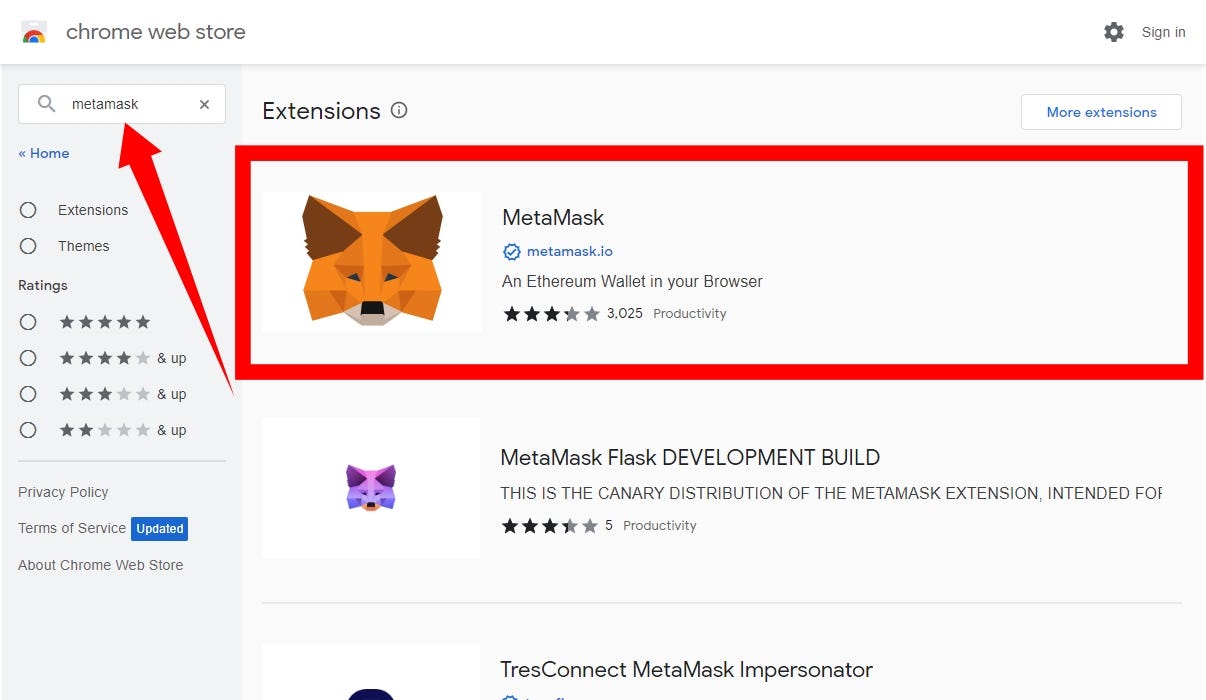
Go to the Chrome Web Store and install the official MetaMask extension. Always verify the publisher to avoid fake or malicious copies. - Create a Wallet:
Once installed, the extension walks you through creating a new wallet. This includes generating a recovery seed phrase—typically 12 or 24 words—which acts as the backup key to access your wallet across devices. - Secure Your Wallet:
Users are prompted to save the seed phrase and set a password. It’s critical to store the seed phrase offline and never share it. - Add Networks or Tokens:
By default, MetaMask starts on the Ethereum Mainnet, but you can add other networks like Binance Smart Chain, Polygon, Avalanche, and custom RPC networks.
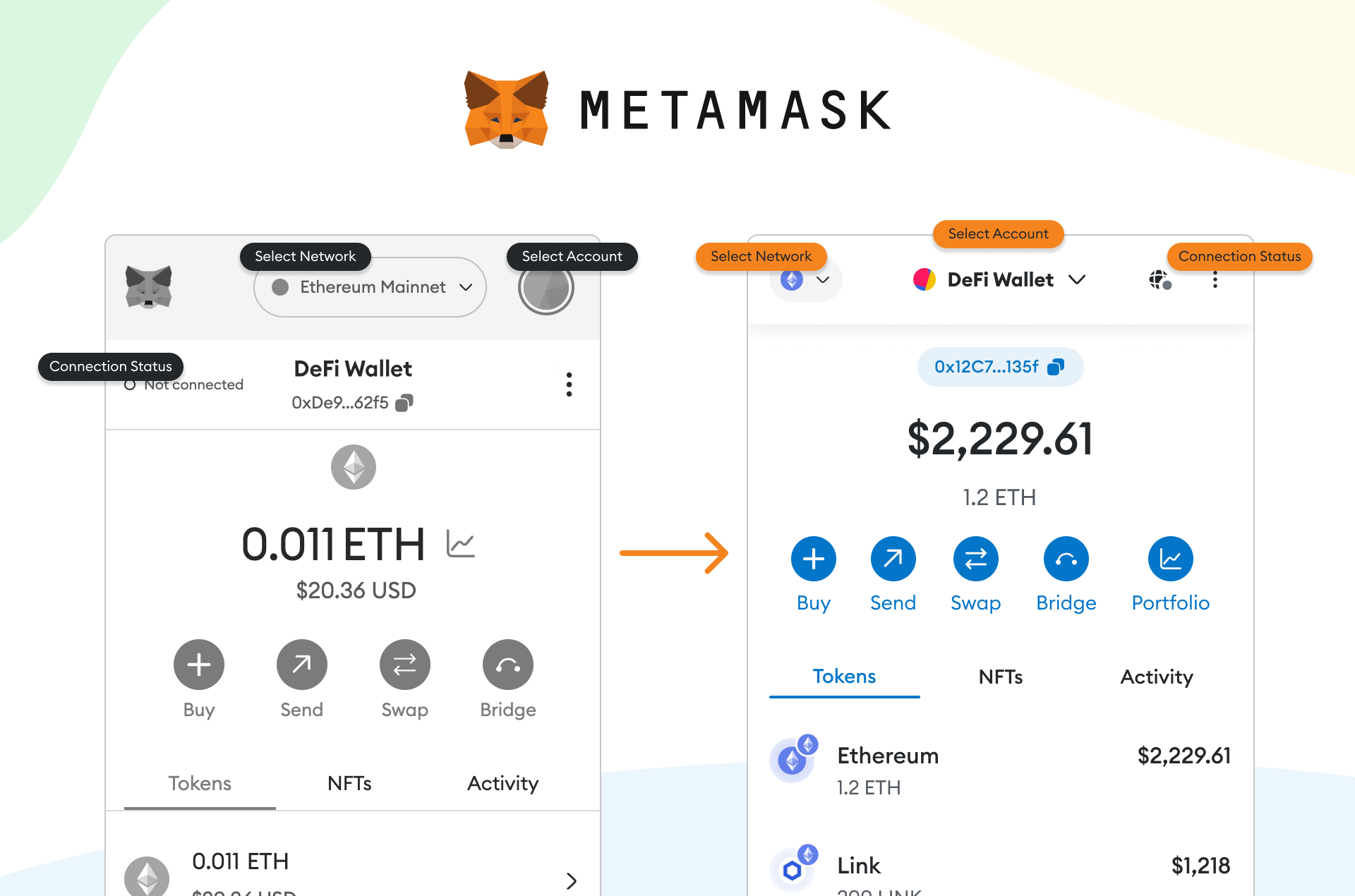
Once set up, MetaMask becomes accessible via the Chrome toolbar, always ready to interact with Web3 sites.
How MetaMask Works
MetaMask acts as a bridge between your browser and blockchain networks. When a decentralized application wants to interact with your wallet—for example, to request tokens or initiate a transaction—the process works like this:
- Connection Request:
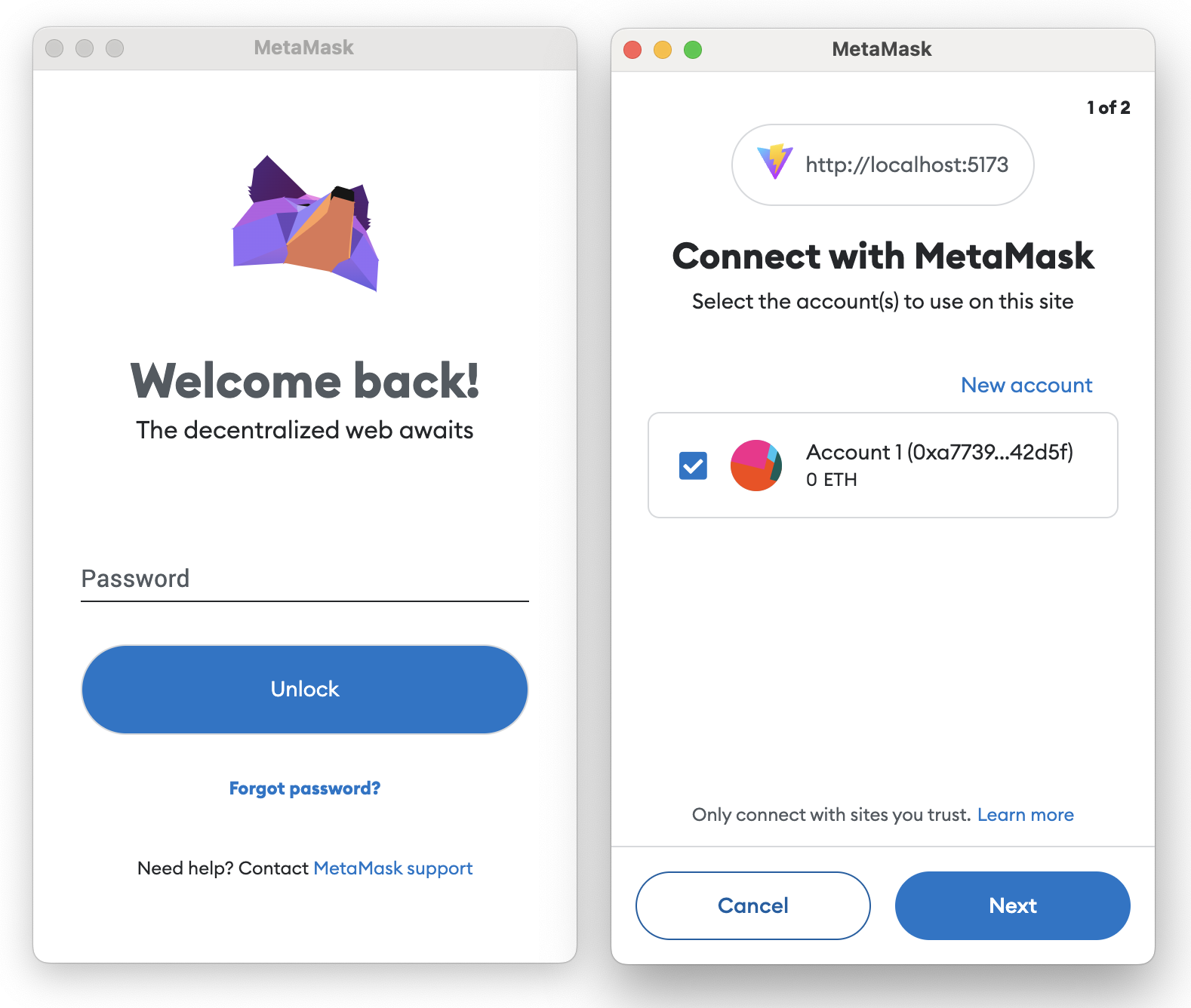
A dApp triggers a wallet connection request. MetaMask displays a prompt asking for your approval. - Permission Approval:
You grant the dApp permission to view certain pieces of data (like your wallet address). - Transaction Preparation:
When you initiate a transaction—say sending ETH or interacting with a smart contract—MetaMask prepares the details. - User Confirmation:
MetaMask asks you to confirm the transaction in the extension popup. You can adjust gas fees and review details. - Signing & Broadcasting:
With your approval, MetaMask signs the transaction locally and broadcasts it to the blockchain.
At no point does MetaMask send your private keys to any server — they remain encrypted in your browser.
Core Features of MetaMask Chrome Extension
1. Wallet Functionality
MetaMask allows you to:
- Send and receive cryptocurrency
- Store ETH and tokens
- View transaction history
- Export private keys for advanced use cases
2. Multi‑Network Support
Originally focused on Ethereum, MetaMask now supports:
- Ethereum Mainnet
- Testnets (Goerli, Sepolia)
- Layer‑2 networks (Arbitrum, Optimism)
- Other chains (Polygon, BNB Smart Chain, Fantom, Avalanche)
Users can add custom networks by providing RPC details.
3. dApp Integration
MetaMask’s greatest strength lies in connecting with decentralized applications. When you visit a compatible site (like a DeFi platform or NFT marketplace), MetaMask prompts you to connect.
This makes decentralized activities like swapping tokens, staking assets, or minting NFTs accessible directly from your browser.
4. Token Swaps
MetaMask includes built‑in swap functionality. Instead of switching to an external exchange, you can:
- Compare multiple liquidity sources
- Choose competitive rates
- Conduct seamless swaps inside the extension
5. Security and Identity Management
MetaMask monitors for known phishing sites and warns users. It also provides granular control over what websites can see or access your wallet information.
Security and Privacy Considerations
Despite MetaMask’s popularity, it’s essential to understand the risks and best practices:
1. Non‑Custodial Means Full Responsibility
MetaMask doesn’t hold assets for you — you do. If your device, seed phrase, or extension is compromised, you could lose access to funds permanently.
2. Browser Attack Surface
Since the extension lives inside Chrome, it faces potential threats from malicious websites, phishing pages, or rogue browser extensions. Users should:
- Only install reputable extensions
- Avoid approving random dApp requests
- Double‑check URLs before interacting
3. Seed Phrase Security
Your recovery phrase is the master key. Never store it digitally or share it. Writing it down on physical paper or steel backup is recommended.
4. Phishing and Fake dApps
Phishing remains one of the biggest threats in Web3. Always verify dApp URLs and beware of scams that prompt you to connect your wallet or sign unsafe transactions.
Benefits of MetaMask as a Chrome Extension
1. Web3 Access in One Click
MetaMask turns your browser into a Web3‑ready portal. You don’t need separate apps or wallets — just open your browser and interact with blockchain apps.
2. User‑Friendly Interface
Exodus and some mobile wallets are easy on the eyes, but MetaMask shines in its simplicity tailored to Web3 interactions. Transaction confirmations, network switching, and token management are intuitive.
3. Broad Adoption and Compatibility
Most DeFi apps, NFT marketplaces, and blockchain games support MetaMask because of its early and widespread adoption. This makes compatibility virtually universal in the Web3 world.
4. Customization and Network Flexibility
Add networks quickly, import external wallet keys, or switch environments — MetaMask adapts to almost any blockchain ecosystem.
Limitations and Challenges
While MetaMask is powerful, it has some limitations:
1. Not as Secure as Hardware Wallets
For large holdings or long‑term storage, pairing MetaMask with a hardware wallet (e.g., a Trezor or Ledger device) is recommended. This adds a physical layer of transaction signing.
2. Browser‑Based Risks
Operating inside a browser inherently increases exposure to malicious scripts or extensions. Vigilance is key.
3. Gas Fee Complexity
Users new to blockchain may find gas fees and transaction settings confusing. MetaMask provides tools to adjust them, but understanding network fees is essential.
4. Requires Education to Use Safely
Web3 requires more understanding than traditional banking. Users must learn about smart contract interactions, transaction approvals, and wallet permissions.
MetaMask in the Broader Web3 Ecosystem
MetaMask isn’t just a wallet — it’s a cornerstone of the decentralized internet. Developers often build dApps with MetaMask support first because:
- It’s widely installed
- It’s trusted in the community
- It supports multiple token standards and networks
It also works alongside hardware wallets (like Trezor or Ledger), letting users sign transactions securely while still interacting through the Chrome extension interface.
Many Web3 platforms (NFTs on OpenSea, DeFi on Uniswap or Aave, DAO governance tools) expect MetaMask compatibility. This creates a positive network effect: the more users adopt it, the more developers support it.
Best Practices for MetaMask Users
To stay safe and smart with your MetaMask extension:
- Protect Your Seed Phrase: Store it offline and securely
- Verify dApp URLs: Bookmark trusted sites
- Limit Permissions: Only approve what’s necessary
- Update MetaMask Regularly: Ensure you have the latest security updates
- Consider Hardware Wallet Integration: For high‑value assets
These practices help reduce risks while maximizing the benefits of decentralized finance.
Conclusion
The MetaMask Chrome extension has become a defining tool for Web3 access. It transformed how users interact with decentralized systems, providing a secure, intuitive, and flexible portal into smart contracts, DeFi, NFTs, and blockchain innovation.
While it places responsibility squarely in the hands of the user, MetaMask empowers people to control their digital assets directly. With careful usage and good security habits, it remains one of the most essential tools for anyone exploring the decentralized future.
Whether you’re swapping tokens, collecting NFTs, or participating in decentralized governance, MetaMask turns your everyday browser into a Web3 powerhouse — just one click away from the cutting edge of blockchain technology.