Exodus Web3 Wallet — Getting Started | Official Exodus App
Exodus Web3 Wallet: A 1000‑Word Deep Dive into its Features, Security, and Ecosystem

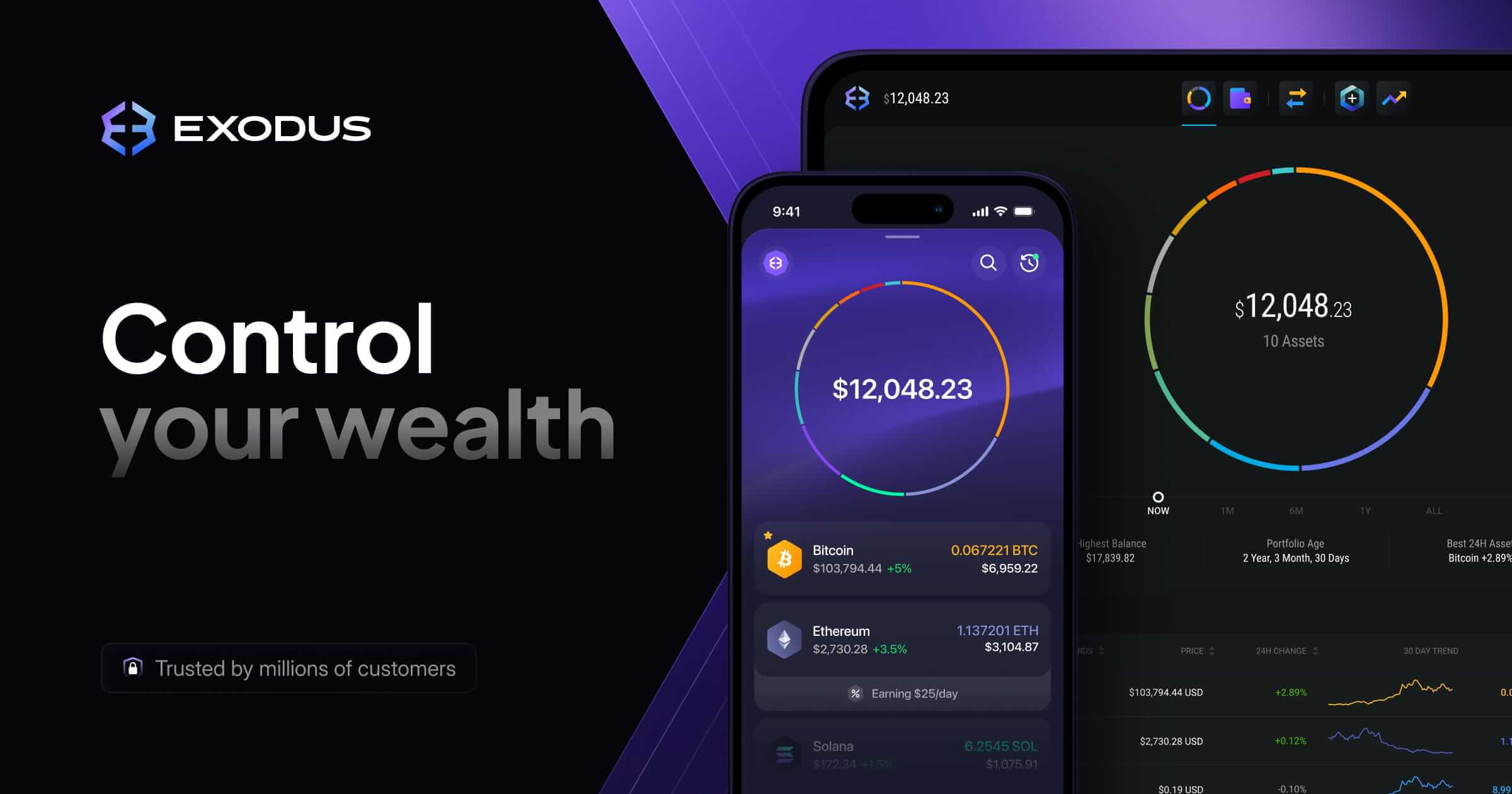
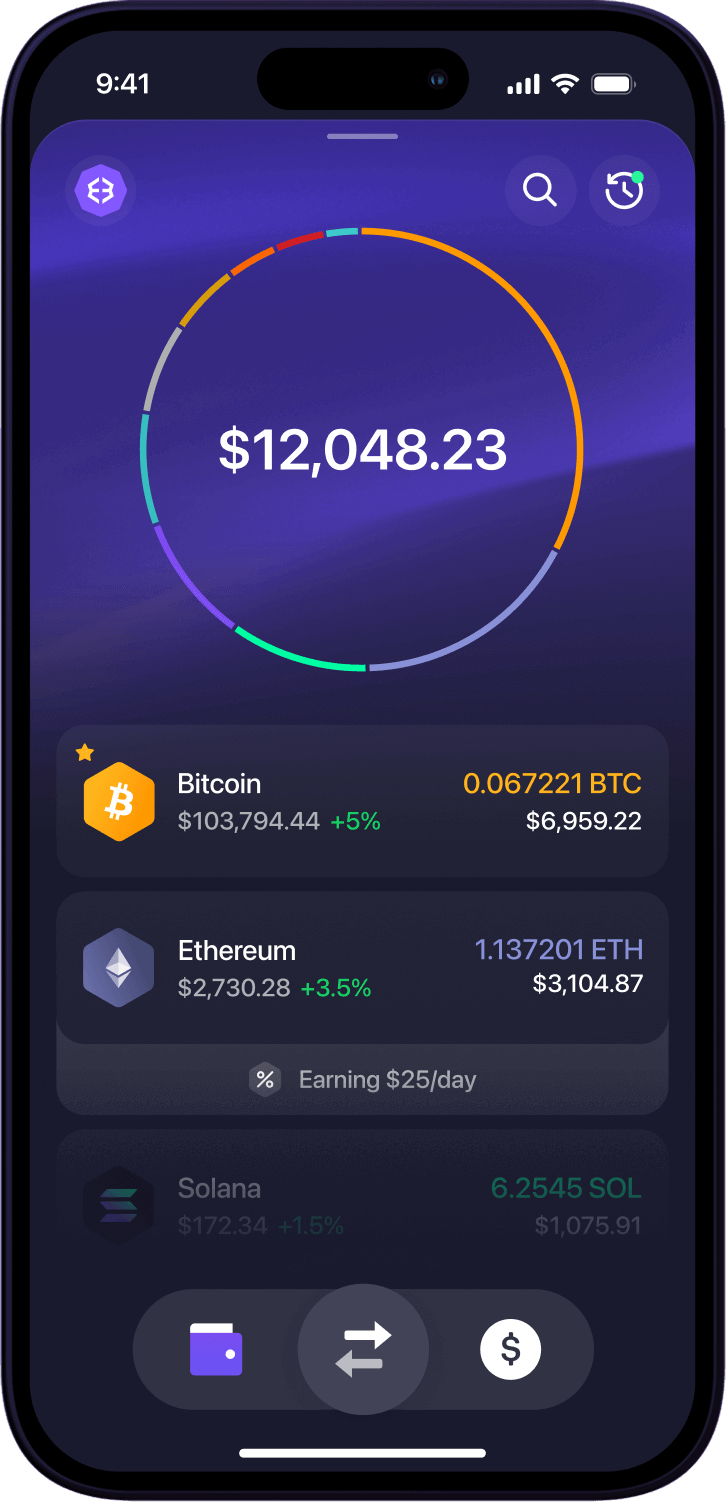
In the rapidly evolving world of cryptocurrencies, Web3 wallets have become fundamental tools for accessing decentralized finance (DeFi), non‑fungible tokens (NFTs), decentralized applications (dApps), and more. Among the wide array of wallet options available today, Exodus Web3 Wallet stands out for its blend of usability, design, and broad feature set. Whether you’re a beginner dipping your toes into blockchain products or an experienced user navigating complex Web3 experiences, Exodus has earned a reputation for being both powerful and approachable.
This deep dive will explore Exodus Web3 Wallet—from what it is and how it works, to its key features, security considerations, benefits, limitations, and how it fits into the broader Web3 ecosystem.
What Is Exodus Web3 Wallet?
Exodus Web3 Wallet is a non‑custodial cryptocurrency wallet that enables users to store, send, receive, and interact with digital assets and blockchain applications. What makes it “Web3” isn’t just the ability to hold assets—it’s the capability to directly interact with smart contracts, decentralized applications (dApps), NFT marketplaces, and DeFi protocols.
Unlike custodial wallets where a third party holds your private keys, Exodus gives you full control of your keys, meaning you maintain complete ownership over your funds.
Exodus is available in multiple forms:
- Desktop application – a full portfolio UI for asset management
- Mobile app – on‑the‑go access to your holdings
- Web3 browser extension – connect to dApps and DeFi directly through your web browser
Together, these formats create a versatile ecosystem for users with different preferences and workflows.
Core Features of Exodus Web3 Wallet
1. Easy Portfolio Management
Exodus functions as a comprehensive portfolio dashboard. On both desktop and mobile versions, users can:
- View overall portfolio value
- Track individual assets
- See transaction histories
- Switch between token views
The interface is designed with clarity in mind, making it relatively intuitive even for newcomers.
2. Built‑In Exchange Capabilities
One of Exodus’s standout features is its in‑wallet exchange. Users can swap between supported cryptocurrencies directly within the wallet without moving funds to an external exchange. This feature integrates liquidity from multiple providers to give users competitive rates right from the interface.
3. Web3 Browser Integration
The Web3 browser extension allows you to connect your wallet to decentralized applications. This means:
- Accessing DeFi platforms
- Participating in yield farming and liquidity pools
- Connecting to NFT marketplaces
- Interacting with decentralized autonomous organizations (DAOs)
Importantly, Web3 connectivity brings the decentralized internet directly to your fingertips while keeping your keys secure.
4. Multi‑Chain and Token Support
Exodus supports a wide range of blockchains and token standards, including:
- Ethereum (ERC‑20, ERC‑721 NFTs)
- Binance Smart Chain tokens
- Solana and SPL tokens
- A growing number of additional networks
This breadth ensures that users don’t need multiple wallets for different ecosystems.
5. NFTs and Collectibles
Unlike many wallets that only display balances and transactions, Exodus also offers a visual NFT gallery. Users can view their NFT collections directly within the wallet—complete with image previews—making digital collectibles feel more tangible.
Security and Privacy
Security in the Web3 world is a top priority, and Exodus addresses this through several design choices:
1. Non‑Custodial Architecture
Your private keys are generated and stored on your device—not on Exodus’s servers. This reduces reliance on centralized infrastructure and gives you full control and responsibility for your assets.
2. Local Encryption
Exodus encrypts your private keys and sensitive data locally using industry‑standard encryption algorithms. Only you can access your keys using your passphrase or device security.
3. Backup and Recovery
When you first create a wallet, you’re prompted to write down a recovery phrase (often 12 words). This phrase can restore your wallet if you lose access to your device.
4. Optional Passcode or Biometric Lock (on Mobile)
On mobile, users can enable additional security like:
- PIN codes
- Biometric locks (fingerprint or facial recognition)
These features help prevent unauthorized access even if someone holds your phone.
Security Considerations
While Exodus implements solid safety measures, it’s important to remember:
- The wallet itself isn’t as secure as a hardware wallet (like Trezor or Ledger device)
- You must manually safeguard your recovery phrase
- Web3 interactions carry risk if you connect to malicious dApps or approve unsafe transactions
How Exodus Web3 Wallet Works
1. Installation and Setup
Get started by installing the wallet:
- Desktop: install from the official Exodus website
- Mobile: available on Apple App Store or Google Play
- Browser extension: added via your browser’s extension marketplace
During setup:
- You generate a new wallet
- A recovery phrase is shown—write it down and secure it
- You can optionally import an existing wallet using a seed phrase
2. Adding Assets
Once set up, you can:
- Receive tokens by copying your wallet address
- Add assets by selecting from the supported token list
- Track balances in real time
3. Connecting to Web3
To interact with dApps:
- Open the browser extension
- Connect to a supported application
- Approve connection prompts
- Interact with DeFi or NFT services directly from your browser
Every transaction request will prompt for your confirmation—this protects you from automated or accidental signing.
Benefits of Using Exodus Web3 Wallet
User‑Friendly Design
Exodus strikes a rare balance—offering powerful Web3 capabilities in a package that’s still accessible to beginners. Its slick UI puts clarity ahead of complexity.
Integrated Ecosystem
From token balances to Web3 access, in‑wallet swaps, portfolio trackers, and NFT galleries, Exodus keeps most common crypto needs in one place.
Broad Blockchain Support
Multi‑chain compatibility means you’re not limited to one ecosystem—and you don’t need multiple wallets to manage different assets.
Flexibility Across Devices
Desktop, mobile, and extension workflows give users flexibility in how they access Web3. You can manage assets on your phone and connect to dApps on your computer seamlessly.
Limitations and Risks
Despite its strengths, Exodus does come with a few limitations:
1. Not Fully Open Source
While many parts of Exodus are open source, not all components are fully transparent. Some users prefer wallets with complete open‑source code for full auditability.
2. Security Compared to Hardware Wallets
Software wallets, no matter how secure, can’t match the protection of hardware wallets. For significant holdings, pairing with a hardware wallet for cold storage is recommended.
3. Learning Curve for Web3 Features
While the basic interface is user‑friendly, Web3 interactions (especially DeFi and smart contracts) can be confusing or risky for newcomers. Users must understand transaction approvals and smart contract permissions.
4. Dependence on Browser Extensions
Browser extensions can introduce a security risk if not properly secured. Always install from official sources and verify extension authenticity.
Who Should Use Exodus Web3 Wallet?
Exodus is ideal for:
- Beginners to intermediate crypto users who want a polished, intuitive experience
- NFT collectors looking for visual galleries
- Multi‑chain users who manage assets across several ecosystems
- DeFi explorers seeking easy access to protocols without deep technical setup
However, users holding large amounts of funds or requiring enterprise‑level security may want to pair Exodus with hardware wallets.
Conclusion
Exodus Web3 Wallet plays an important role in the expanding Web3 landscape. It blends accessibility with powerful features, allowing users to step beyond simple crypto storage and into decentralized finance, NFT ecosystems, and decentralized applications—all while maintaining control of their private keys.
For many users, Exodus offers a compelling combination of design, breadth of features, and cross‑platform convenience. But like all tools in the crypto space, it works best when paired with good security practices—most importantly, safeguarding your recovery phrase and understanding the risks involved in Web3 interactions.
Whether you’re making your first Web3 connection or managing a diverse crypto portfolio, Exodus provides a gateway that’s both inviting and capable—bridging the gap between traditional wallets and the full promise of decentralized technologies.
If you’d like, I can also provide a comparison between Exodus and other wallets such as MetaMask, Trezor (when paired with Web3), or hardware + software combos. Just ask! 🚀